We are reader-supported. When you buy through links on our site, we may earn affiliate commission.
People often view the transition to renewable energy as an individual quest. Households aiming to power their homes with clean energy traditionally needed to own a single-family home with a sturdy roof and sufficient capital to finance a system costing thousands of dollars. These requirements leave out a large share of the population, and it’s exactly the gap community solar was designed to close by extending the benefits of solar generation to people the traditional model was never built to serve.
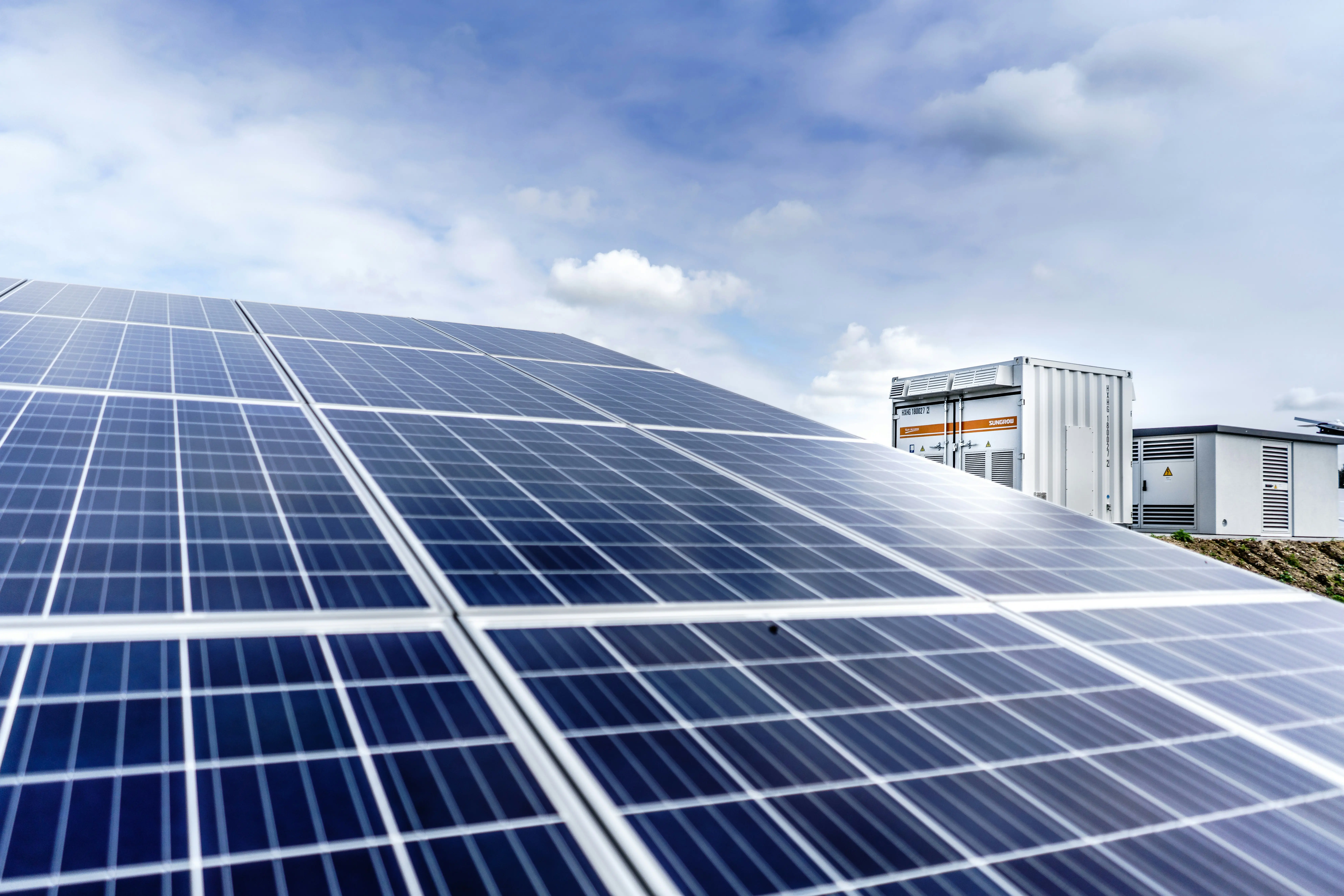
Community solar replaces individual ownership with shared access. A developer, utility or local cooperative builds a solar array, typically ranging from a few acres to the size of a small utility farm, and sells subscriptions to nearby households and businesses rather than serving a single property. Subscribers don’t install anything on their own. Instead, each one is allocated a share of the array’s output, and that share translates into a credit on their existing electricity bill.
The mechanics are straightforward once laid out. The array feeds power into the regional grid rather than directly into any one home, and the subscriber’s utility tracks how much electricity that person’s share generated in a given month. The household still receives the same amount of electricity, but the monthly bill is different. This is valuable, considering solar panels cost an estimated average of $16,000 to own.
This billing arrangement is what separates community solar from other clean energy financing models a household might encounter, such as a power purchase agreement tied to an on-site installation. Because no physical equipment changes hands and there’s no property altered, the entire relationship between the subscriber and the project is far more frictionless.
The appeal of this structure lies in how many barriers it removes at once. Renters and condo owners, who have no legal authority to modify a building’s roof, gain access to solar that they never had before. Homeowners with heavily shaded lots or roofs facing the wrong direction, both common disqualifiers for a rooftop system, can subscribe to a project sited somewhere better suited for solar generation.
And because many programs require no up-front investment, the model opens the door to households that could never have financed a traditional installation in the first place.
That last point matters more than it might first appear. The national average energy burden for low-income households is about three times that of other households, meaning the population with the least room in its budget for a rooftop installation is also the population spending the largest share of its income on energy. A shared solar model with no up-front cost speaks directly to that imbalance in a way rooftop ownership never could.
That accessibility comes with a trade-off. A subscriber’s savings are generally more modest than those from a fully owned rooftop system, since the subscriber is purchasing a fractional share rather than an entire system. For people otherwise excluded from solar altogether, that trade-off seems reasonable.
Community solar isn’t available everywhere, and whether a household can subscribe to one still depends heavily on state law. Most programs exist because a state legislature specifically authorized this kind of shared-solar arrangement, and as of the most recent count, 24 states and the District of Columbia have some version of that authorization on the books. That policy expansion has tracked closely with the market itself, which has grown nearly 500% over the past six years, reaching more than 7.8 gigawatts of installed capacity in 2024.
The U.S. Department of Energy’s National Community Solar Partnership exists to expand access to this model nationwide, with a particular focus on ensuring low- and moderate-income households have access as new state programs come online.
Where a program exists, it’s often possible to find one by searching the state’s name alongside “community solar program,” or by consulting that same partnership’s state-by-state list of active programs. Signing up is generally a simple process once an eligible program is located. Prospective subscribers typically provide utility account information so the program can match a subscription to an actual bill, select the share size they’d like to purchase, and agree to the program’s specific terms.
Because community solar programs vary considerably in structure, the terms of a given subscription deserve real scrutiny before signing. Contract length is one of the more consequential details, since some programs commit subscribers for multiple years while others allow cancellation with minimal notice. Portability matters just as much. Programs differ on whether a subscription can transfer to a new address or must be canceled outright if a subscriber moves.
This scrutiny matters even more for the low-income subscribers the model intends to serve. Consumer advocates have flagged that low-income households have historically been targeted by predatory sales and marketing tactics, and are pushing states to build stronger consumer protections into their community solar programs from the outset rather than after problems surface.
Savings guarantees are worth examining closely for the same reason. Reputable programs typically disclose the expected savings percentage relative to a standard electric bill, and vague or unusually optimistic claims without specifics are worth treating skeptically. Comparing two or three available programs side by side, rather than enrolling in the first option that surfaces, tends to reveal these differences quickly. Ultimately, the key element in discerning which programs are right is sincerity and commitment to the mission.
None of this makes community solar a perfect substitute for owning a rooftop system outright, and the size of a subscriber’s savings will always depend heavily on location and program design. What it does offer is a way into the clean energy transition for renters, for households without the capital to finance an installation and for anyone whose home was simply never going to support panels of its own. As neighborhoods organize around shared clean energy resources, creating a resilient, equitable and sustainable power grid becomes an achievable reality.