We are reader-supported. When you buy through links on our site, we may earn affiliate commission.
Industrial symbiosis turns the old “one factory’s trash” idea into an actual business strategy by connecting companies, so waste from one operation becomes raw material for another. The model is gaining traction because it cuts disposal costs and opens revenue channels that traditional linear manufacturing leaves on the table through the exchange of resources like energy, water, and by-products.
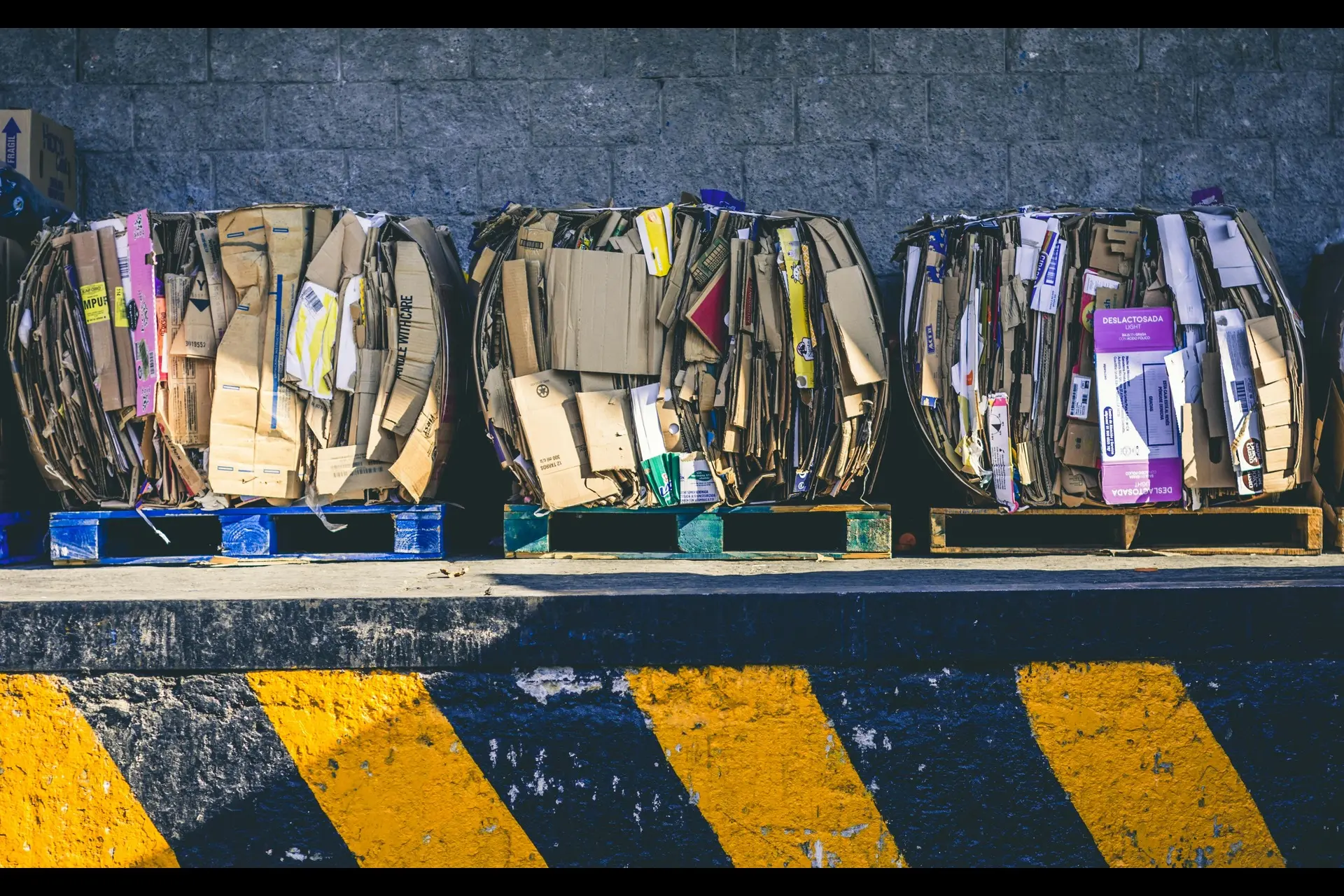
Industrial symbiosis builds collaborative ecosystems where materials, energy, and water flow between traditionally separate industries. For example, a power plant might send steam to a nearby pharmaceutical manufacturer, which then passes its organic waste to an agricultural operation for composting. Each waste exchange turns what would be disposal costs into usable inputs for another facility’s production process.
The traditional manufacturing model follows a take-make-waste design, where companies extract raw materials, produce goods, and send leftovers to landfills. Industrial symbiosis flips this linear approach into a circular one. Facilities operating in symbiotic networks view their neighbors’ outputs as potential inputs, creating closed loops where fewer resources leave the system entirely.
Industrial symbiosis hits two targets that matter to manufacturers. On the environmental side, resource sharing helps reduce landfill waste, conserve natural resources, and lower emissions by keeping materials in circulation longer. Those functioning within this system might need fewer virgin materials and generate less pollution per unit of production.
The model also supports sustainable operations, creates job opportunities, and improves environmental conditions for local communities. Companies in symbiotic networks often discover that what they previously paid to dispose of can now generate income. In contrast, the facilities that receive those materials pay less than they would for raw materials extracted from nature. Cost reductions on both sides compound across multiple partnerships.
Major industrial hubs have thrived in symbiotic networks for decades. Two European examples show how facilities can implement it at different scales and adapt it to local conditions.
The Kalundborg Symbiosis stands as the world’s most famous example of industrial waste exchange. This network of public and private companies in this Danish city has traded water, energy, and materials since the 1970s. What started as bilateral agreements between two facilities grew into a complex web connecting a power station, an oil refinery, a pharmaceutical plant, a wallboard manufacturer, and the municipal water system.
The numbers tell the story. Kalundborg’s network saves 4 million cubic meters of groundwater annually, recycles 62,000 metric tons of residual materials, and prevents 586,000 metric tons of CO2 emissions each year. Excess steam from the power station heats homes and greenhouses, while the refinery’s cooling water warms fish farms. Nearby agricultural operations use the pharmaceutical plant’s sludge as fertilizer.
More recent implementations show how the concept adapts to different industries. The symbiotic network in Sotenäs focuses on fish processing, which generates substantial organic waste. Companies in this Swedish coastal region send processing by-products to a central biogas plant that converts the material into renewable energy and heat.
The facilities that produce fish waste recover the energy they need for operations. Material that once created disposal costs and environmental concerns now generates profit. The biogas plant produces digestate as a by-product, which local farms then use as bio-fertilizer.
The economic argument comes down to keeping costs low and creating new income streams. Companies in symbiotic networks reduce spending on raw materials by accepting processed outputs from neighboring facilities.
Reducing waste in construction lowers disposal fees by selling or donating materials that would otherwise require landfilling or incineration. When construction teams produce less garbage, there’s less material to transport and dispose of, reducing the volume sent to landfills. Since disposal fees are based on volume or weight, minimizing waste can significantly reduce these expenses.
The revenue potential goes beyond simple cost savings. Residual heat from chemical plants powers district heating systems. Breweries send spent grain to livestock operations for feed or biofuel producers for feedstock. Food processing plants can direct organic scraps toward composting operations or biogas facilities. Such transactions create financial improvements on both sides of the exchange while reducing environmental impact on the entire industrial ecosystem.
Physical proximity helps but might not guarantee success. Effective waste exchange requires deliberate collaboration between companies willing to share operational information. Facilities must trust their partners enough to reveal production schedules, material specifications, and quality standards. This transparency allows them to accurately match outputs to inputs and plan around seasonal variations or production cycles.
Long-term planning separates functioning networks from one-off transactions. Brands need confidence that their symbiotic partners will maintain stable operations for years. A manufacturer that restructures its processes to accept a neighbor’s waste stream invests time and capital in that relationship. Supportive local policies that encourage rather than penalize resource sharing create environments where these networks can flourish.
Sustainable industrial operations benefit from this approach by tackling resource use and waste handling challenges more efficiently. The model can reduce raw material imports while combating climate change by reducing extraction and processing activities. These bigger-picture benefits emerge when multiple facilities coordinate their operations around shared resource flows rather than compete for them.
Industrial symbiosis changes how businesses think about environmental responsibility. Instead of treating it as a compliance burden, companies in these networks turn it into a competitive advantage. The facilities making the most money are those actively looking for ways to sell their by-products and cut their input costs at the same time.