We are reader-supported. When you buy through links on our site, we may earn affiliate commission.
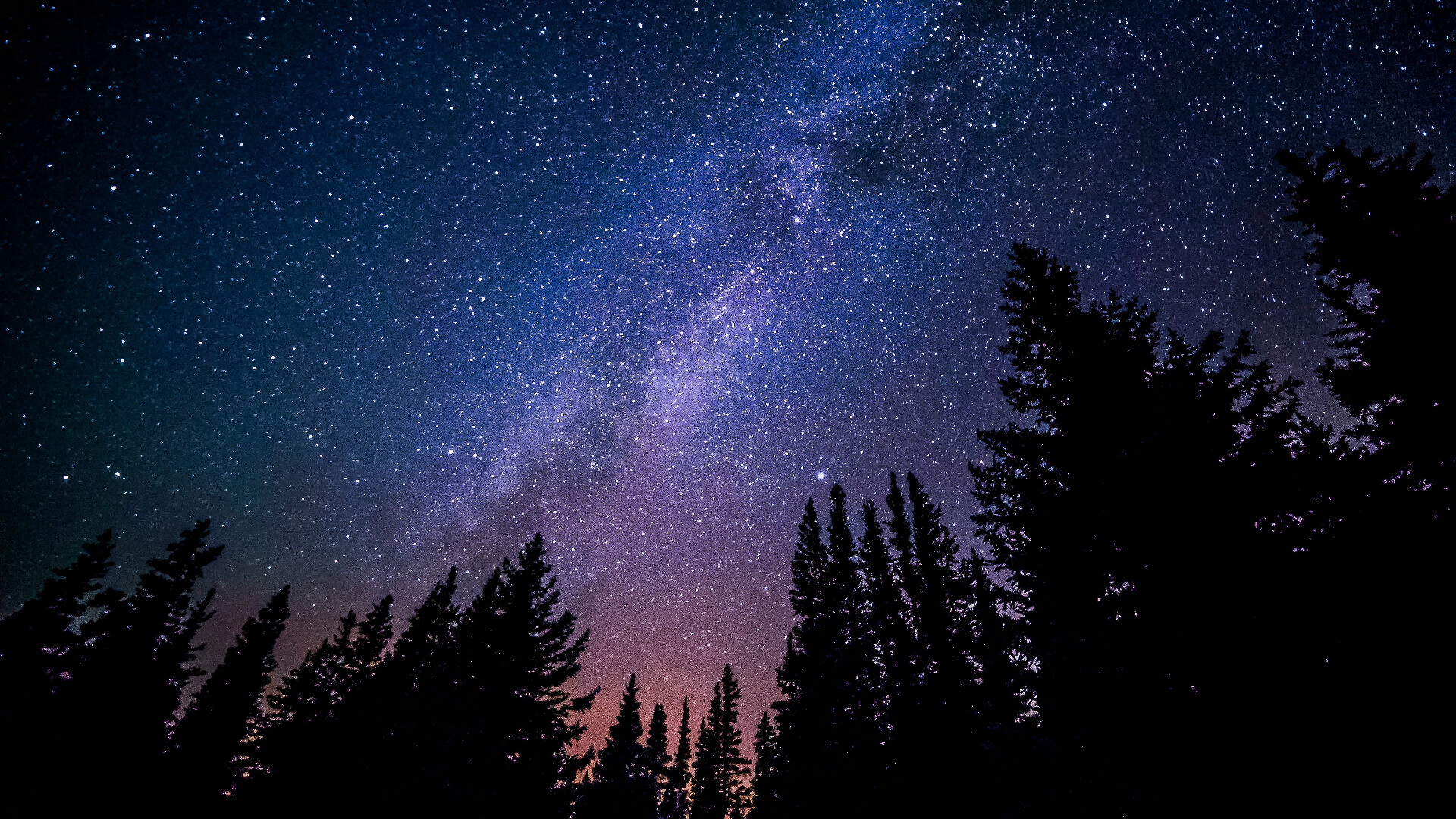
Many desire to live where they can see the stars every night. You may not be able to have your forever home there, but dark sky parks are places you can visit that provide this environment perfectly. Discover the majesty behind these special environments and where to find one near you.
Dark sky parks are protected areas certified by the International Dark Sky Places program. The purpose of this organization is to preserve dark sites with strict regulations. They are ideal places for seeing spaces as they are meant to be seen while educating all who witness their splendor. There are currently over 200 worldwide locations in 22 countries, spanning over 161,000 square kilometers.
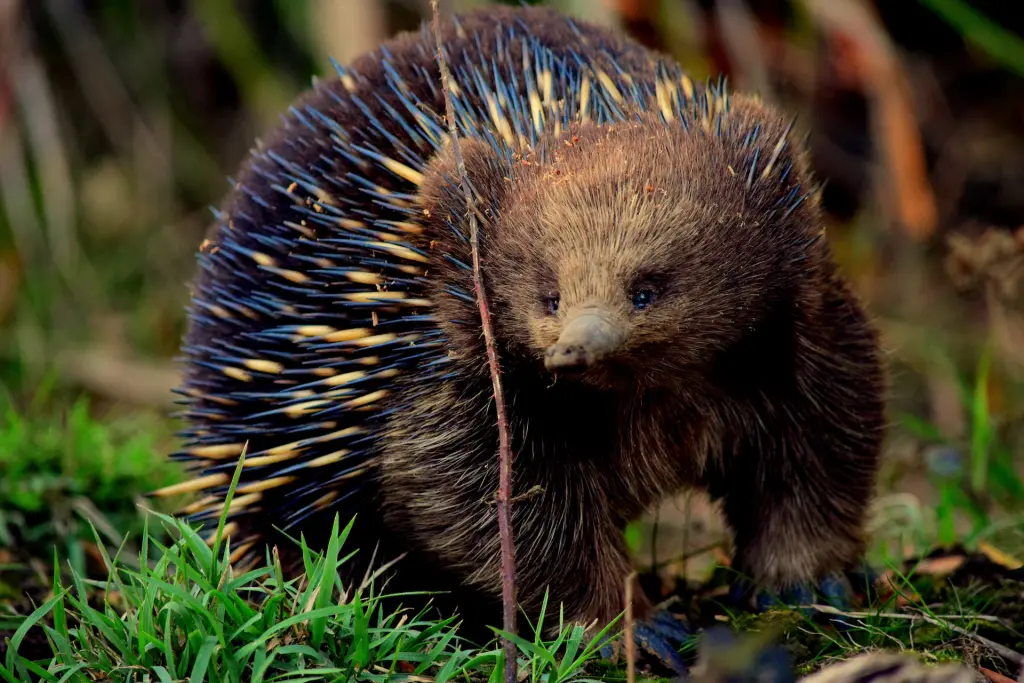
These areas get a grip on light pollution and promote the well-being of night-loving species. Nocturnal wildlife thrives in these parks while protecting the sanctity of starry skies. Biodiversity adapted to nighttime living is generally photosensitive, so it is essential to maintain these conditions to be mindful of other creatures’ needs to survive.
Under the IDSP program are several umbrellas:
Knowing the distinctions between these regions is essential for conceptualizing the nuances of these zones. In this deep dive, we will explore the world of dark sky parks.
The DarkSky organization has criteria for what can get certified. Here are the basic ideas behind the qualifications:
The organization provides detailed information on how to tell the difference between a site’s potential to be a park or sanctuary, or neither.
Light is just light, so why is an entire organization devoted to keeping things dark? How could simple light impact the environment in such a negative way?
Numerous species rely on the darkness to thrive. Insects, in particular, need low light conditions for mating, migrating, and feeding, and light pollution is one of the primary reasons many species need help to keep numbers up.
The disruption to circadian rhythms influences more than wildlife — it harms humans, too. Humans exposed to too much light pollution at night find sleeping more difficult, so keeping dark places as unpolluted as possible could be the key to restful nights.
Finally, the excess energy used at night to power all these artificial lights emits countless carbon emissions. Even if renewable sources powered them, they are superfluous to remain on 24 hours a day — though cities should power city lights with clean energy. Automated, motion-detecting lights are the ideal way to go, primarily if people need to walk around at night.
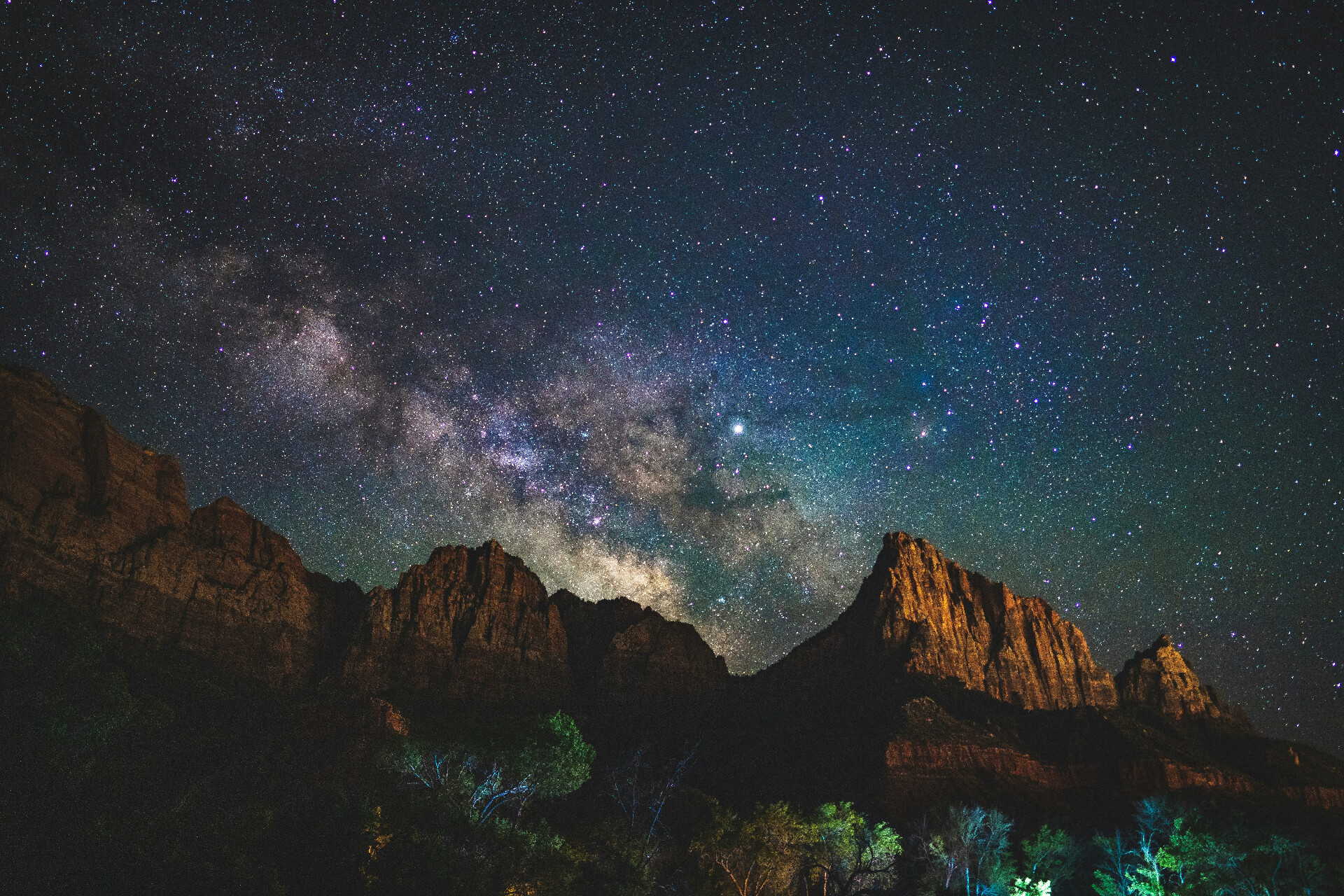
Being at a dark sky park will be unlike anything you have ever seen. You should be able to see everything in the night sky with the naked eye. You’ll get the most out of your visit by allowing your eyes to adjust for awhile. Additionally, going when it is a new moon makes the stars even more prominent.
There is etiquette all travelers must follow to ensure everyone has the best experience and the areas stay protected. Here is how to make your experience the best it can be:
As of 2024, there are 120 certified parks — here are some of the most well-known from all over for you to explore darkness at its most fantastic:
| Park | Location |
| Aenos National Park | Greece |
| Bükk National Park | Hungary |
| Big Bend National Park | Texas, USA |
| Craters of the Moon National Monument | Idaho, USA |
| De Boschplaat | The Netherlands |
| Desengano State Park | Brazil |
| Eifel National Park | Germany |
| Elan Valley Estate | Wales |
| Great Basin National Park | Nevada, USA |
| Iriomote-Ishigaki National Park | Japan |
| Joshua Tree National Park | California, USA |
| Kissimmee Prairie Preserve State Park | Florida, USA |
| Møn and Nyord | Denmark |
| National Bridges National Monument, Capitol Reef National Park, Arches National Park | Utah, USA |
| Oxford Forest Conservation Area | New Zealand |
| Parc national du Mont-Tremblant | Canada |
| Petrova Gora-Biljeg | Croatia |
| Ramon Crater Nature Reserve | Israel |
| Warrumbungle | Australia |
| West Penwith | England |
| Yeongyang Firefly Eco Park | South Korea |
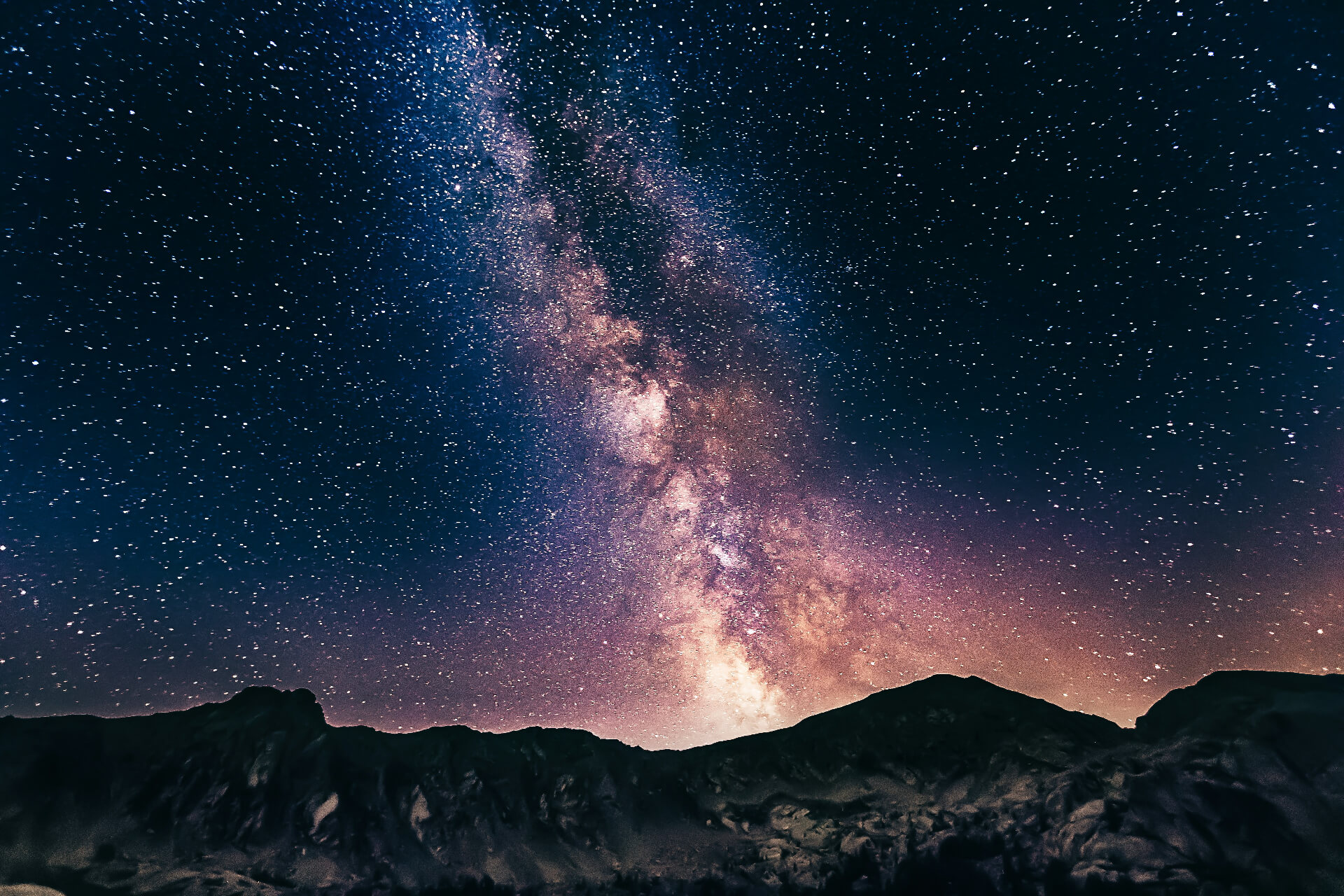
DarkSky International has a helpful tool for anyone seeking these stellar stargazing spots, no matter where they are on the planet, though the U.S. dominates in having the most parks in one country.
Everyone benefits from having dark sky parks. People and wildlife may enjoy the peace and beauty of the night sky at its most beautiful. You’ll never forget it once you see it for the first time. It will make you look up at night in your city, wondering why your area prioritizes artificial light over the excellence of the stars. If you feel inspired, DarkSky International needs volunteers to help people preserve these areas, keeping them pristine despite tourism.