5 Examples of Renewable Resources the U.S. Should Invest in
We are reader-supported. When you buy through links on our site, we may earn affiliate commission.
Climate change has already caused considerable devastation. One way to slow the progression is to switch from fossil fuels to renewable resources. The world looks to wealthy nations like the United States to lead the way. Where should we invest many of our infrastructure dollars?
Renewable Energy Explained
According to the United Nations, renewable energy is one that’s derived from natural sources that are replenished faster than they are consumed, such as flowing water, wind and sunlight. When people search for renewable resources examples, they’re usually looking for a clear list of these sources and how they’re used in practice.
In the U.S., renewable sources already play a major role. In 2023, the U.S. power sector generated about 4,017 billion kilowatt-hours (kWh) of electricity, and renewable sources supplied roughly 22% of that total. The U.S. Energy Information Administration expects the renewable share to continue rising through the mid-2020s as new solar and wind projects come online.
The trend is similar elsewhere. Recent studies show that low-carbon sources provided just over 40% of global electricity in 2024, with renewables alone reaching a record share. Major assessments from bodies such as the IPCC emphasize that rapidly expanding renewable electricity, combined with energy efficiency and electrification, is central to every credible pathway for limiting global warming.
Renewable Resources Examples
What is an example of a renewable resource? Here’s an overview of five examples of renewable resources that the U.S. should invest in.
1. Solar
The sun offers the ultimate in renewable energy. All life on earth already depends upon its rays — harnessing them can help slash emission.
Here’s one place where individuals can play a role if they’re homeowners. Installing a solar system on a residential property cuts carbon emissions significantly — without adjusting the electricity use in the home.
On the financial side, U.S. policy continues to encourage home solar. Under the current Residential Clean Energy Credit, many homeowners can claim a 30% federal tax credit on the cost of qualifying solar and other clean energy systems installed from 2022 through 2032, with the credit gradually stepping down in the years after. This support, combined with falling hardware costs, has made rooftop solar increasingly attractive for households.
Fortunately, the future for solar looks bright. Manufacturers have invested in improving technologies, leading to breakthroughs like the following:
Bifacial panels
Traditional solar panels only process light received from overhead. However, a smaller amount of usable light also bounces off the earth. It’s the same kind of reflection that allows us to see the moon during the day. Bifacial panels harness the light from both above and below, increasing efficiency.
Perovskite
Imagine if solar technology could be incorporated right into your home’s windows, eliminating the need for bulky panels? Soon, you may have this option. Perovskite is thin and transparent, allowing it to be added to existing solar panels to increase efficiency or incorporated into windows to provide power.
More powerful and bigger panels
Standard solar panels are only 156 millimeters, the size of a CD case. However, the industry has shifted to larger wafer formats. Today, 182-millimeter — often called M10 — and 210-millimeter — called G12 — wafers are the mainstream for new solar modules, accounting for the vast majority of global production capacity since 2023. These larger wafers allow each panel to generate more power from the same rooftop or ground area, helping reduce overall system costs and making solar one of the most competitive renewable resources examples on the market.
Solar skins
Some people object to the aesthetic of solar panels on their homes. What if they could integrate seamlessly into your roof or even your lawn? This technology filters the light to create a custom image, allowing your panels to match nearly any surface on which you mount them.
Floating solar farms
Even though solar farms are typically cheaper to run than oil or gas mining operations, they still require land — a resource that’s at a premium in many populated areas. Floating solar farms off the coast offer a way to get energy to big cities that might not have vacant lot space for the multiple panels needed to fuel every home.
Solar clothing
If you ever wore black on a winter’s day to hold in more of the sun’s rays, you’re already familiar with the concept of solar clothing. Developing technologies will make fabrics more efficient at harnessing the sun’s rays. Imagine a pair of gloves to warm your paws without adding a beanbag warmer.
Some of the most promising developments in solar now focus on how systems are deployed. Community solar projects allow renters and people without suitable roofs to subscribe to a shared array and receive bill credits. Pairing solar with battery storage makes it possible to shift daytime solar energy into evening hours, reducing strain on the grid and cutting reliance on fossil-fuel peaker plants. These approaches turn solar into a more flexible example of a renewable resource.
2. Biomass
Biomass refers to multiple forms of renewable energy from plants and animals — the number one form of power until the mid-1800s. These technologies may consist of any of the following:
- Wood and wood processing waste: Nearly everyone knows about lighting a fire for warmth and heat. The black liquor produced by paper mills can also be captured by a special furnace and used as fuel.
- Crops and agricultural waste materials: This concept includes using materials like corn to create biofuels.
- Municipal waste and sewage: Some municipal waste, like paper, cotton and wood can see new use. Researchers are also working on technologies to convert wastewater into fuel.
Biomass needs to be used carefully to be truly sustainable. The most climate-friendly biomass strategies focus on residues and wastes that would otherwise decompose and release greenhouse gases anyway — like crop stalks, landfill gas, forestry byproducts and wastewater sludge. By contrast, burning whole trees or relying on food crops for energy can undermine climate and biodiversity goals if not managed with strict safeguards.
For the U.S., high-impact biomass investments include:
- Scaling biogas and renewable natural gas projects at landfills, farms and wastewater facilities
- Developing non-food biofuels for shipping and aviation
- Blending sustainable biomass with fossil fuels in existing plants during a managed transition, while older coal and gas units are phased out
Handled this way, biomass becomes a complementary piece of the renewable resources puzzle, helping tackle methane emissions and supporting rural economies without over-relying on land-intensive energy crops.
3. Wind Energy
Wind is a growing renewable resource that some areas of the U.S. have already invested significantly in. It currently produces a quarter of the energy used by seven states and continues to grow.
The benefits of wind power include significant reductions in emissions. In the U.S., utility-scale wind generation now helps avoid around 351 million metric tons of carbon dioxide each year — roughly the same climate impact as taking about 61 million passenger cars off the road. They’re also quieter than other technologies.
A national survey found that about 92% of people living within five miles of a wind project report a positive or neutral attitude toward it, and measurements from the Department of Energy show that typical sound levels at nearby homes are around 35-45 decibels — similar to a quiet refrigerator and below the volume of normal conversation.
One restriction on the use of wind again comes from land scarcity. However, floating wind farms are also an option for future renewable energy resource investment. While some critics harbor concerns that the mills could injure birds, these units account for less than .01% of all human-related bird deaths. Buildings, power lines and cars pose an equal threat, and nothing compares to the habitat destruction associated with climate change.
Future investments in wind should prioritize upgrading and expanding transmission, so high-quality wind resources can serve distant population centers, scaling offshore wind on the Atlantic and Pacific coasts to tap strong ocean winds, and supporting community- and tribal-led projects that keep tax revenue and jobs in local hands.
4. Hydroelectric
Hydroelectric power comes from the water itself, making the sea once more vital to protecting America’s renewable energy future. One promising possibility for crowded coastal areas is harnessing the tides to generate electricity.
One method is the installation of solar barrages. These devices let water flow through turbines to generate electricity. Currently only the Rance River in France and the Bay of Fundy in Canada have such technologies. America should investigate its options for implementing such techniques.
Traditional large dams already provide a significant share of U.S. renewable electricity, but the future of hydro is likely to emphasize modernization and diversification. Promising directions include upgrading existing dams with more efficient turbines, run-of-river projects that generate power from flowing water without creating huge reservoirs, and tidal and wave energy technologies that harness ocean tides and wave motion.
5. Geothermal Energy
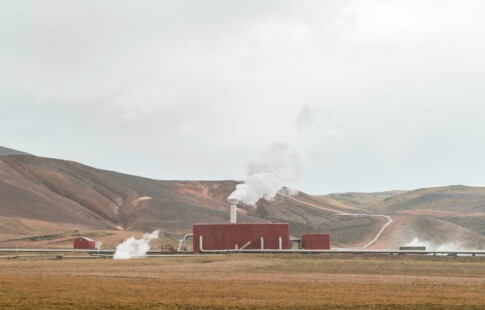
Geothermal energy refers to harnessing the power of heat that lies beneath the earth’s surface. The United States does well in this regard. It is currently the world’s largest producer of this form of renewable energy.
Three types of geothermal plants exist: dry steam, flash and binary. Dry steam uses steam directly from the earth to spin turbines. Flash and binary plants use liquid to produce the requisite vapor.
Until recently, geothermal electricity was limited to areas with naturally occurring steam and hot water, such as parts of California, Nevada and the Pacific Northwest. This is changing. New enhanced geothermal systems (EGS) use advanced drilling and stimulation techniques — many adapted from the gas and oil industries — to access heat in deeper and drier rock formations.
The Department of Energy’s Enhanced Geothermal Shot aims to cut the cost of EGS by about 90% to around $45 per megawatt-hour by 2035. If those targets are met, the U.S. could tap a vast heat resource and potentially support massive gigawatts of firm, round-the-clock geothermal power.
FAQs About Renewable Resources
As renewable energy grows, so do the questions about how it works in daily life. These quick answers address some of the most common questions and what they mean for households, communities and the wider energy system.
Are Renewable, Clean and Green Energy the Same Thing?
Not exactly. Renewable energy comes from sources that are naturally replenished, such as water, wind and sunlight. Clean energy generally refers to low- or zero-emission sources, which can include some non-renewables like nuclear. Green energy usually refers to renewables with particularly low environmental impacts over their full life cycle, such as solar and wind deployed with strict safeguards for habitats and wildlife.
Why Do We Still Need Energy Storage If We Have Lots of Renewable Resources?
Many renewable resources examples are variable — they don’t generate power at the exact times demand is highest. Energy storage tech like pumped hydro, batteries and thermal storage capture excess energy when it’s plentiful and release it later. Combined with flexible demand, storage helps balance the grid, so high shares of renewables can be integrated without compromising reliability.
Which Is the Cheapest Renewable Energy?
The cheapest renewable energy today is likely onshore wind, with utility-scale solar PV following closely. Recent cost studies from international agencies show new onshore wind projects delivering power for around $0.034 per kWh, often undercutting new gas and coal plants. In many regions, that makes wind and solar not just the cleanest, but also the lowest-cost options for new electricity generation.
How Do Renewable Resources Affect Jobs and the Economy?
Investing in renewables tends to be more job-intensive than investing in fossil fuels, especially during construction and installation. Studies report that renewable energy industries now support tens of millions of jobs worldwide, with solar PV alone employing several million people. At the same time, fossil fuel sectors shrink, so policies that support retraining, education and just transitions are needed to ensure workers and communities share in the benefits.
Examples of Renewable Resources That the U.S. Should Invest in
Climate change is an existential problem. Failing to take action can have devastating consequences for human life — but people have become reliant on power to run their lives. Investing in renewable resources is a must for wealthy nations like the U.S. to lead the world into a cleaner and more sustainable future.
The encouraging news is that this transition is already underway. Renewables supplied a record share of both U.S. and global electricity in 2024. By doubling down on proven renewable resources examples and pairing them with storage, efficiency and modernized grids, the United States can cut emissions, improve public health and strengthen energy security at the same time.
Editor’s Note: This article was originally published on November 15, 2022 and was updated December 2, 2025 to provide readers with more updated information.
Share on
Like what you read? Join other Environment.co readers!
Get the latest updates on our planet by subscribing to the Environment.co newsletter!
About the author

Grace Waters
Always inspired by the natural world around her, Grace grew up exploring tide pools and hiking mountain trails, developing a deep appreciation for biodiversity and conservation. Now, Grace works as the Senior Editor of Environment.co where she covers topics related to emerging clean technologies, zero-waste initiatives, and the intersection of environmental policy and everyday living.