We are reader-supported. When you buy through links on our site, we may earn affiliate commission.
Turning your house into a net zero home might sound like a massive project meant only for new builds or major renovations. The reality is more encouraging. Homeowners can reach net zero energy use with a series of upgrades that cut energy waste and create clean power right at home.
A net zero home is one that balances consumption with production over the course of a year. These homes generate as much clean electricity as they use by combining smart efficiency measures with on-site renewable power generation. Key features include rooftop solar panels, airtight insulation that limits HVAC use, and high-performance systems throughout. The goal is to reduce how much power the home requires and then meet that reduced demand with clean, generated electricity.
Before making a home net zero, know where the budget is going. An auditor will check insulation levels, test for air leaks, and inspect the HVAC system. Windows and doors undergo a professional home energy assessment that provides a clear picture of the home’s current performance, culminating in a prioritized list tailored to the house. This roadmap helps the homeowner focus the budget on the changes that will deliver the best return.
Many older homes were built with minimal protection by today’s standards. The home can maintain a stable temperature year-round by adding proper insulation, which is one of the most effective ways to reduce demand.
Good thermal barriers keep heat from entering through the roof and walls during summer while preventing warmth from escaping when temperatures drop. Attics are often the easiest place to start since blown-in material can be added without major renovation. Wall upgrades are more involved but deliver excellent results, especially in climates with extreme temperatures.
The home’s building envelope is the barrier between conditioned indoor air and the outside environment. Small gaps around openings, pipes, and electrical outlets can add up to serious loss. These drafts force the HVAC system to work harder to maintain comfort.
Sealing air leaks with caulk and weatherstripping is a low-cost, high-impact step. Pay special attention to the attic, basement, and areas where different building materials meet. Even tiny cracks can let significant amounts of air escape.
Old single-pane openings are a major source of heat loss in the winter and unwanted heat gain in the summer. Modern options feature multiple panes of glass, low-emissivity coatings, and insulated frames that reduce transfer.
While replacements require a larger up-front investment, they pay dividends over time through lower bills. They also improve comfort by eliminating cold drafts near glass areas. In climates with harsh winters or scorching summers, high-performance replacements can be one of the most valuable changes.
The HVAC system accounts for roughly 40% of the home’s total consumption. Upgrading to a high-performance model can substantially reduce that amount.
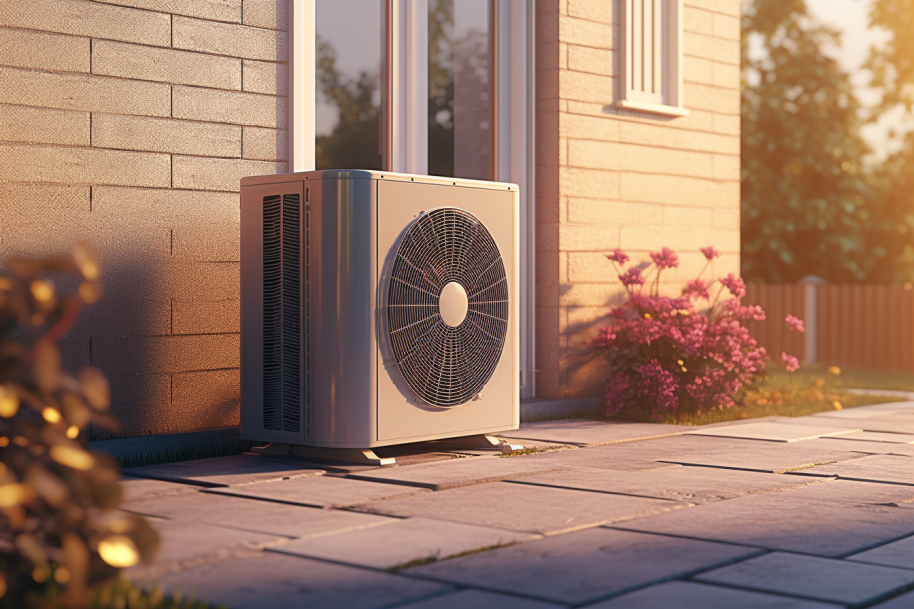
Heat pumps offer an all-electric solution that operates far more efficiently than traditional furnaces and air conditioners. These systems work well even in cold climates and pair beautifully with solar panels since they run on electricity rather than fossil fuels. Understanding holistic net-zero design helps homeowners see how an optimized HVAC system fits into the bigger picture of balanced use.
After reducing the home’s energy use through insulation, air sealing, better glass, and an upgraded HVAC system, the final step is to meet that lower demand with renewable sources.
Residential solar panels are the most common way to achieve this. A typical rooftop system converts sunlight into electricity that powers lights, appliances, and climate control equipment. Many homeowners size their solar array to match their annual consumption, which brings them to net zero. In sunny climates, a home with good performance measures and a well-sized solar system can produce as much power as it uses over the course of a year.
Appliances and lighting contribute to the overall load, so choosing smart options helps reduce the total amount of power solar panels need to generate. Look for the ENERGY STAR label when shopping for refrigerators, dishwashers, washing machines, and dryers. These certified models meet strict guidelines and use significantly less power than standard versions.
Switching to LED lighting is one of the easiest and most affordable changes. LEDs use a fraction of the energy traditional incandescent bulbs consume and last far longer, reducing replacement costs.
Homeowners often have questions about how net zero homes work and what the process involves. Here are answers to some of the most common concerns.
Passive house is a rigorous building standard that emphasizes superior insulation, airtight construction, and heat-recovery ventilation to create ultra-efficient buildings. Net zero focuses on a different performance goal — balancing total consumption with on-site renewable generation.
A home can meet Passive House standards without being net zero and vice versa. Many certified homes built to high standards qualify for federal tax credits up to $5,000 for homes acquired before July 1, 2026.
Costs depend on the home’s current condition, the climate, and chosen improvements. A complete transformation can require a substantial investment, but government incentives can help significantly reduce the financial burden.
Federal programs offer a federal tax credit for improvements, including new glass, heat pumps, and insulation. Many states and utilities also provide rebates for solar installations and performance enhancements. Breaking the project into phases over several years can make the path to net zero more financially manageable.
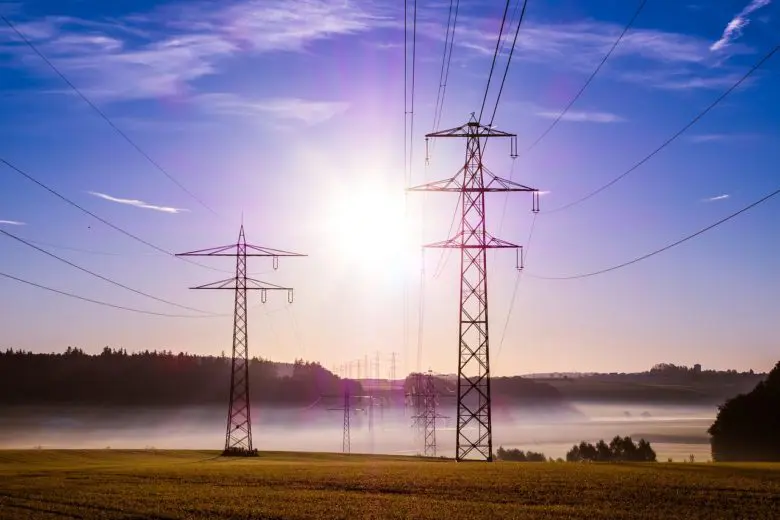
Many net zero homes remain connected to the electric network. When solar panels produce more electricity than is used, the excess flows back to utility lines. Households draw from those same lines at night or on cloudy days when production dips below the requirement.
This arrangement is called net metering, and it allows the home to balance production and consumption over time. Homeowners can add battery storage to increase independence, but staying connected provides a reliable backup and maximizes the value of the solar investment.
Achieving a net zero household takes smart choices and steady progress. Each change reduces a home’s environmental footprint and moves it closer to independence. Start with an audit, tackle the performance improvements that offer the best return, and then add solar to meet the reduced requirements. The transition may take time, but every step forward creates a more comfortable and sustainable home.