We are reader-supported. When you buy through links on our site, we may earn affiliate commission.
It’s an all-too-familiar experience: You go for a day hike with high hopes and a picnic basket, and head home with a mysterious rash. Where could it possibly have come from? Here are some outdoor irritants that could be responsible and some rashes that come from nature (and beyond).
This upright shrub is native to North America and has the following characteristics:
With a name like that, you’d expect a fragrant, beautiful plant. Guess again! This deciduous tree is an invasive species and has the following traits:
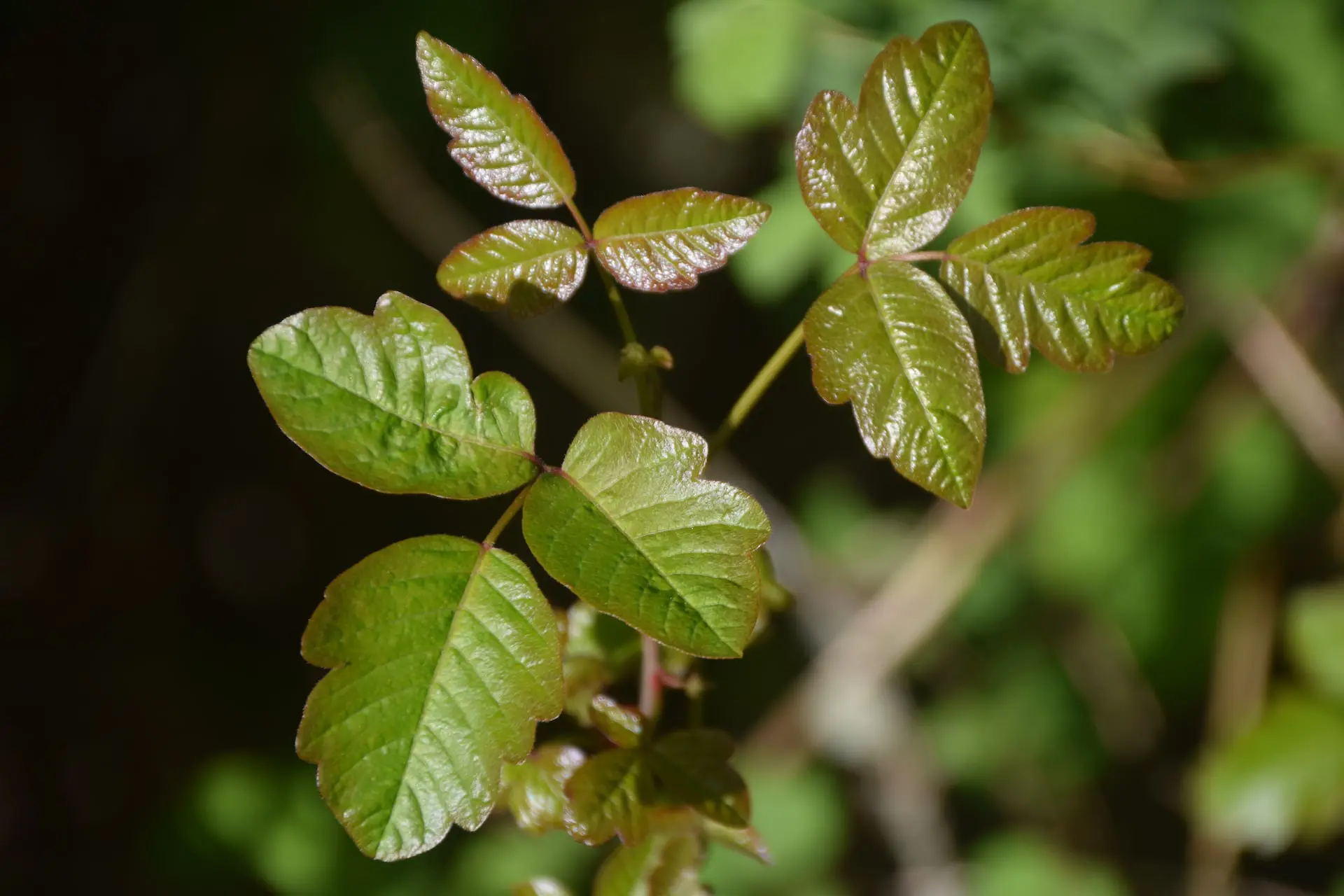
This plant causes one of the most infamous rashes that come from nature. Its creeping vines grow low to the ground or climb tree trunks. Identify it by the following:
Ouch! You’ll notice this plant as soon as you come in contact with it. As its name suggests, stinging nettle causes a burning sensation similar to fire ant bites. Identify it by these traits:
This woody shrub can grow to the size of a small tree. It has the following physical traits:
A flowering plant commonly found in gardens, plumbago – also called leadwort – causes skin reactions in some unlucky people who have an allergy to it. Identify it by:
You’re probably familiar with this one! One of the most common causes of hay fever (another name for seasonal allergies), ragweed causes many people to itch. This plant is characterized by:
This perennial plant is native to North America, East Asia, and Russia. It can grow up to 10 feet tall and has a thick, hollow stem, as well as the following:
It’s possible that your rash came from something besides a plant. Here are some other common outdoor irritants:
Some people have an allergic reaction to certain types of sunblock that results in a bumpy rash or mild redness. This is called irritant contact dermatitis (or just contact dermatitis). If this is the case for you, look for a sunscreen that doesn’t contain oxybenzone or benzophenone-3, as these are common irritants.
DEET, an active ingredient in many insect repellants, can cause rashes or severe allergic reactions in some people. If it makes you itchy, you can try bug spray alternatives such as essential oils.
Wearing long sleeves also helps keep insects from biting you, and you can even buy a bug-net hat that hangs over your face. It may not be the most fashionable choice of attire, but it works!
Rashes that come from nature don’t always involve plants. Heat rash is a skin condition usually triggered during hot and humid days when your sweat glands become blocked. It causes an itchy, bumpy red rash. Wear loose clothing and drink plenty of water to reduce your risk of heat rash, and stay inside if it’s too hot to work outdoors comfortably.
If you’re having a severe allergic reaction – characterized by facial swelling, difficulty breathing, a fever, or rashes on most of your body – or you’ve had a severe reaction in the past, go to the hospital immediately. It’s better to be safe than sorry.
However, you can treat most mild rashes that come from nature with home remedies. First, wash your skin with soap and water as soon as possible. Avoid scratching the rash.
Apply calamine lotion or hydrocortisone cream and consider taking an oral antihistamine to further reduce itching. Cold compresses can also soothe your irritated skin.
To treat heat rash, rinse off in cool water and let your skin dry thoroughly. Calamine lotion and hydrocortisone cream can help, as can wearing loose clothing and applying a cold compress to the irritated area. Even if you don’t treat it, heat rash usually goes away on its own.
Don’t let the fear of getting a rash keep you from enjoying the outdoors! Although there are several kinds of itch-inducing plants and chemicals, you can take steps – such as wearing long pants and sleeves, finding alternatives to bug spray, and trying different types of sunblock – to keep yourself safe and comfortable.
So, take a hike!